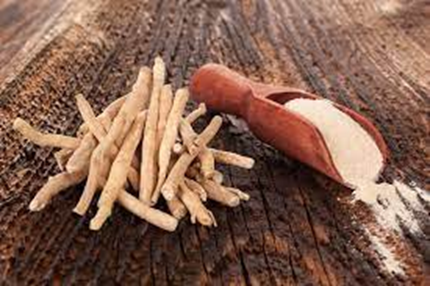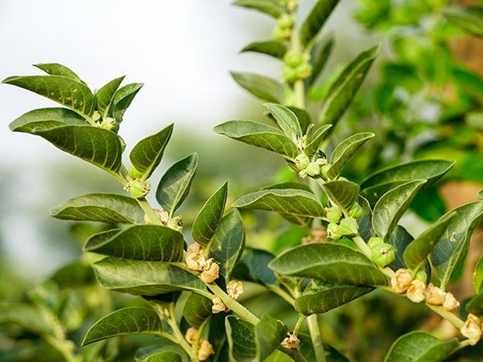

Ashwagandha, also known as Withania somnifera, or Indian Ginseng, is a popular herb in traditional Ayurvedic medicine, which is native to India, the Middle East, and parts of Africa. Ashwagandha has a long and storied history dating back thousands of years in traditional Indian medicine.
The name “ashwagandha” is derived from the Sanskrit words “ashva,” meaning horse, and “gandha,” meaning smell. It is believed that consuming ashwagandha gives one the vitality and strength of a horse. In traditional Indian culture, it’s often regarded as a powerful herb for promoting overall well-being and vitality.
History
Ancient Roots: Ashwagandha has been used for medicinal purposes in India for over 3,000 years. Its use is documented in ancient texts such as the Charaka Samhita and Sushruta Samhita, which are foundational texts of Ayurveda.
Traditional Medicine: In Ayurveda, ashwagandha is considered as a rejuvenating herb that promotes longevity and vitality. It has been traditionally used to treat various ailments such as stress, anxiety, fatigue, inflammation, and immune system disorders.
Globally today: Over time, knowledge of ashwagandha’s medicinal properties spread beyond India. It has been used in various traditional medicine systems throughout Asia, including Ayurveda in India, Unani medicine in the Middle East, and traditional Chinese medicine. Today the herb is found in numerous treatments in South Africa. I have used it personally and found great success in the treatment of adrenal fatigue.
Clinical: While much of the evidence supporting the benefits of ashwagandha is based on traditional use and preclinical studies, some clinical trials have shown promising results in areas such as stress reduction, anxiety management, and improving markers of cognitive function and physical performance.
Here are some key health benefits of Ashwagandha:
- Adaptogenic Properties: Ashwagandha is classified as an adaptogen, meaning it helps the body cope with stress and adapt to physiological and psychological stressors.
- Stress Reduction: One of the most well-known uses of Ashwagandha is its ability to reduce stress and anxiety. It is believed to lower levels of cortisol, a hormone produced in response to stress.
- Improved Mental Health: Ashwagandha is also used to improve mood, cognitive function, and overall mental well-being. Some studies suggest it may have antidepressant properties.
- Anti-inflammatory Effects: Ashwagandha contains compounds with anti-inflammatory properties, which may help reduce inflammation in the body. This could be beneficial for conditions such as arthritis.
- Boosts Immunity: It is believed that Ashwagandha may enhance the immune system, helping the body fight off infections and illnesses.
- Enhanced Physical Performance: Some athletes and fitness enthusiasts use Ashwagandha to improve physical performance and increase strength and endurance. It may also aid in muscle recovery after exercise.
- Potential for Lowering Blood Sugar Levels: Some research suggests that Ashwagandha may help lower blood sugar levels, which could be beneficial for people with diabetes or those at risk of developing it.
- Potential for Cancer Treatment: While more research is needed, some studies suggest that Ashwagandha may have anti-cancer properties and could potentially be used as an adjunct therapy in cancer treatment.
- Sexual Health: Ashwagandha has been traditionally used as an aphrodisiac and to improve sexual health and fertility in both men and women.
Dosage and Forms: Ashwagandha is available in various forms, including powder, capsules, and extracts. The appropriate dosage may vary depending on the individual’s health status and reasons for use. It’s important to consult with a healthcare professional before starting any new supplement regimen.
Overall, ashwagandha’s long history, coupled with modern scientific research, has contributed to its reputation as a valuable herb for promoting health and well-being. However, as with any supplement or herbal remedy, it’s essential to consult with a healthcare professional before adding ashwagandha to your regimen, especially if you have any underlying health conditions or are taking medications. Taking this herb can initially cause side- effects, please speak to your Doctor and a Naturopath if you are having side-effects and or using conventional medications.
Dosage of Ashwagandha Powder (cheapest form in South Africa).
Please read this article for more information of dosage: https://www.healthline.com/nutrition/ashwagandha-dosage#blood-sugar
The powder can be mixed with honey, put in tea, water, milk either vegetarian or dairy.